Featured
Table of Contents
Below are 3 common mistaken beliefs regarding regreting that we may think when we consider our own or somebody else's way of grieving: One of the most usual false impressions about grieving is that every person undergoes it in the very same means. As we have actually developed, regreting is an one-of-a-kind trip that is different for every person.
If you ever discover yourself assuming, "I'm doing it wrong," try advising yourself that "there's no right or wrong method of grieving."Additionally, there's no details order for the stages of pain. Our very first emotional response to loss may be temper and anxiety. This does not mean that we're not regreting effectively.
And our feelings can come in waves of intensity. At first, our emotions can be overwhelming. Over time, the strength is likely to diminish although there might be moments when it's just as fresh and overwhelming as it was at. Many individuals get annoyed with themselves because they believe they're regreting as well long.
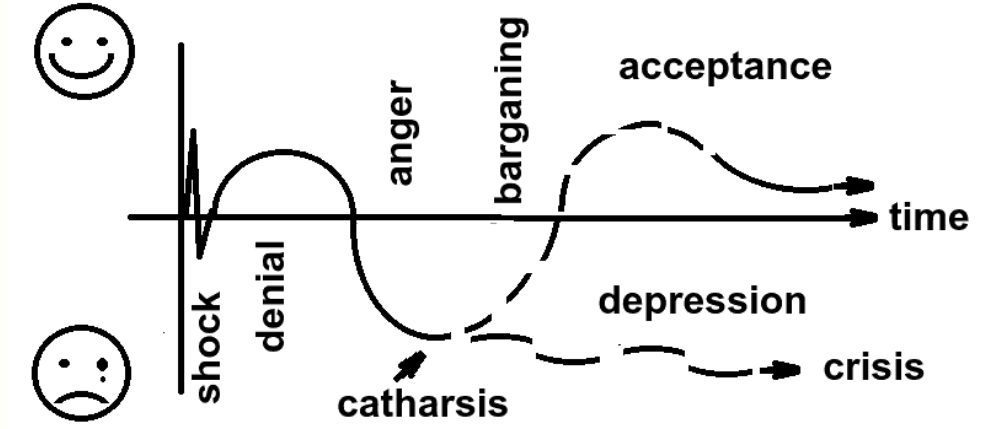
Grief is a complex process that varies from person to individual. The five stages of pain denial, anger, bargaining, clinical depression, and acceptance are a valuable framework for assuming regarding pain, yet it doesn't suggest we'll experience every phase. We can experience these aspects of pain at different times, and they do not take place in one certain order.
The Healing Experience for Accomplished Professionals in Narrative Therapy
This site utilizes cookies to help personalise web content, tailor your experience and to keep you visited if you register. By remaining to utilize this site, you are consenting to our use cookies.
This cyclical framework is implied to help you better comprehend your sensations and is not intended to recommend exactly how you need to grieve, what you need to be feeling, or in which order. Each stage may come and go or overlap the others.
Learn more concerning the 7 phases of grief. Grief can be a hard and untidy process.
Achievement-Oriented Thinking in Healthcare Professionals
That's because no one can ever be truly prepared for a loss so substantial. Many of the time, this is since your body has actually not processed the loss.
These sensations and experiences are self-protective mechanisms that serve as a barrier to ensure that you are not bewildered at one time. Because the death of a loved one can have such a significant impact on you, you might experience rejection. During this phase of despair, it is merely as well difficult for your mind to understand that your relative, good friend, or various other loved one is gone.
The Recovery Process for Accomplished Healthcare Workers in Narrative Therapy
As you gradually start to approve the loss and what it indicates for your life now, your rejection will certainly begin to reduce. You may have a broader variety of feelings and emotions when rejection wears away. Till then, you might have durations when you really feel troubled, which can be activated by reminders of your loved one.
In many cases, it's a normal feeling to wish to prevent others so that you do not need to recognize or review your loss. Often, you feel absent-minded, get quickly sidetracked, or procrastinate during this stage of pain. You might likewise try to remain active constantly or closed down emotionally.
Healing Professional Anxiety to Authentic Confidence
In particular situations, you could likewise feel upset with the medical care suppliers, your buddies, relative, God, or any type of other spiritual being(s) you count on. However under all that anger is your pain. While it might be unpleasant to manage, it offers more framework to your mourning than staying numb.
Throughout this phase, people usually feel powerless and hopeless and ask themselves "what if" questions. You may feel guilty for refraining from doing more to maintain the loss from taking place or for not investing even more time with the person you lost. Throughout the negotiating phase, it prevails to question or claim, "I must have done this ..." or "If I had actually only done that ..." While these sorts of questions are regular, they are not where you want your mind to remain.
Rather, attempt considering any good memories you have with them. In some cases, merely assessing these thoughts can aid you allow go of the guilt. It might additionally be valuable to do something certain, like write a letter to your loved one or speak to them aloud. As soon as you come to terms with the truth of the loss, a much deeper degree of unhappiness may begin to creep in.
You can also go to for a checklist of additional resources or call the number listed below to reach Drug abuse and Mental Health Providers Administration (SAMHSA) hotline. The screening stage of the grieving process often includes trying various things that aid you move on. In this phase, you are starting to construct your new normal along with refining your sensations and emotions produced by the loss.
Creating Nervous System Safety in Therapy for Trauma Survivors in San Francisco
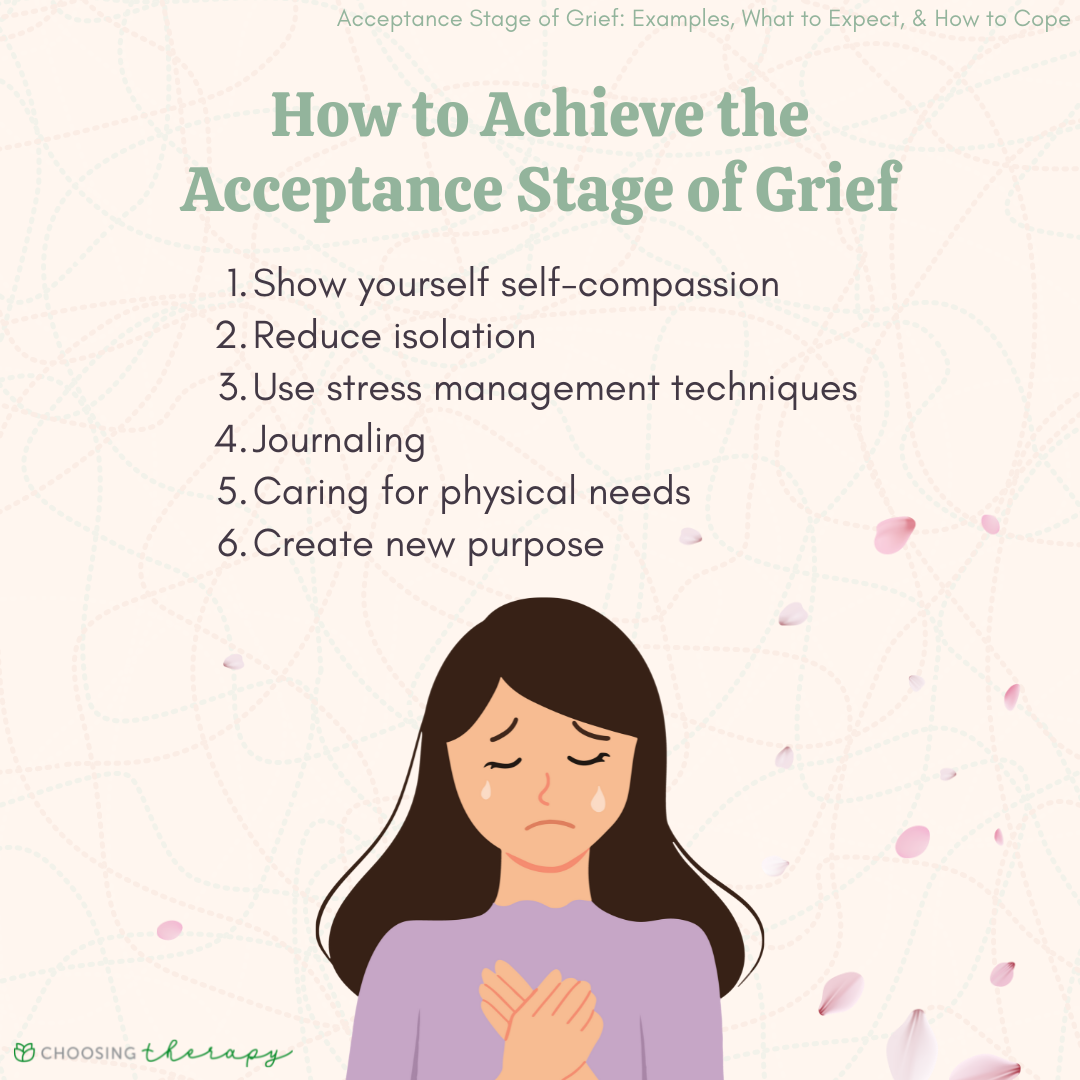
Getting to the acceptance stage does not mean you are alright with what took place. Instead, this component of the grieving procedure is a lot more about accepting what your life appears like now. You will still need to pay attention to your feelings and readjust, yet you will certainly begin to really feel more wholeeven if it looks different than it did previously.

Table of Contents
Latest Posts
Selecting an Appropriate Men's Mental Health Counseling Provider within Waterloo, Ontario Communities
Identifying Chronic Trauma With Professional Support for Healing
Previously Overlooked Assessment
More
Latest Posts
Selecting an Appropriate Men's Mental Health Counseling Provider within Waterloo, Ontario Communities
Identifying Chronic Trauma With Professional Support for Healing
Previously Overlooked Assessment