Featured
Table of Contents
Frank is a 36-year-old guy that was drastically defeated in a battle outside a bar. He had numerous injuries, consisting of broken bones, a concussion, and a stab wound in his reduced abdominal areas. He was hospitalized for 3.5 weeks and was not able to go back to work, hence shedding his task as a warehouse forklift driver.

He has not had a beverage in almost 3 years, but the rounds of temper persist and occur 3 to five times a year. They leave Frank feeling also much more separated from others and estranged from those that love him. He reports that he can not view certain television shows that show violent anger; he has to stop seeing when such scenes happen.
How People Should Know about a qualified EMDR Clinician specializing in Trauma therapy
Psychological and neurological examinations do not disclose a reason for Frank's anger strikes. Various other than these signs and symptoms, Frank has actually progressed well in his abstaining from alcohol. He participates in a support system frequently, has obtained close friends who are also abstinent, and has actually integrated with his family members of beginning. His marital relationship is more steady, although the episodes of rage restriction his spouse's readiness to devote fully to the partnership.
Today, when feeling caught, powerless, or overwhelmed, Frank has sources for coping and does not allow his rage to interfere with his marital relationship or other relationships. Anxiety sets in motion an individual's physical and mental resources to carry out more effectively in battle, responses to the tension may persist long after the actual threat has actually finished.
With fight veterans, this converts to the number, intensity, and period of threat variables; the social support of peers in the professionals' device; the psychological and cognitive strength of the service participants; and the top quality of military leadership. CSR can vary from convenient and mild to crippling and extreme. Usual, much less extreme signs and symptoms of CSR consist of tension, hypervigilance, rest issues, temper, and trouble focusing.
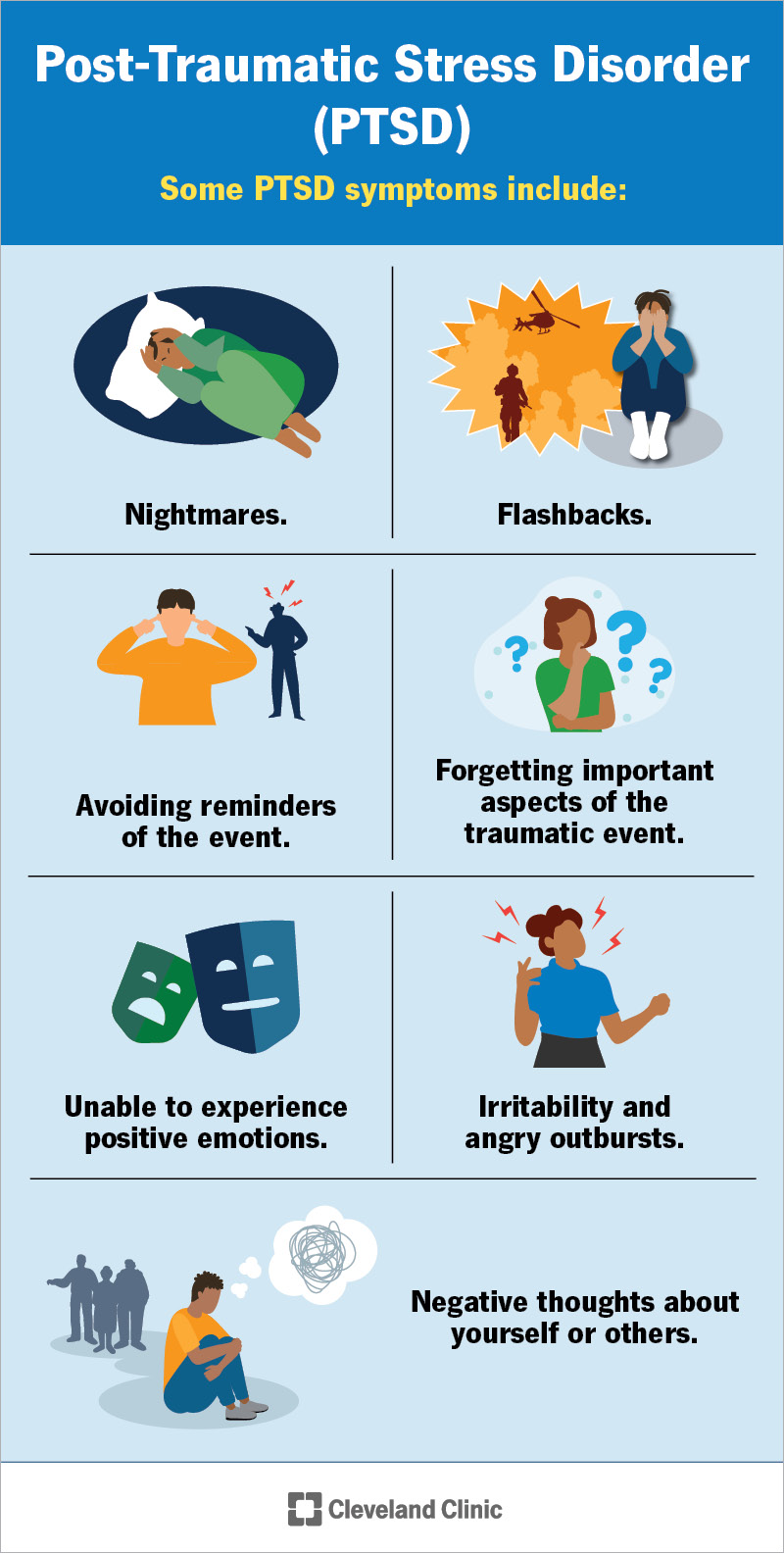
He makes the factor that the "mutual interdependence, trust fund, and love" (p. 587) that are so necessarily a component of a fight device are different from connections with family members and associates in a private workplace. This complicates the change to private life.
The Healing Memory Processing within EMDR Theory
DSM-5 Diagnostic Standard for ASD. Exposure to actual or threatened death, significant injury, or sex-related violation in one (or more) of the adhering to methods: Straight experiencing the distressing event(s). The key presentation of an individual with a severe tension reaction is commonly that of somebody who shows up overwhelmed by the terrible experience.
She or he might need to explain, in repetitive detail, what took place, or might appear stressed with attempting to recognize what happened in an effort to make sense of the experience. The client is often hypervigilant and stays clear of conditions that are tips of the injury. Somebody who was in a significant car accident in heavy website traffic can come to be anxious and stay clear of riding in a vehicle or driving in web traffic for a limited time afterward.
The Function of Memory Processing in EMDR Therapy and ART
People with ASD symptoms occasionally look for assurance from others that the occasion took place in the way they keep in mind, that they are not "freaking out" or "losing it," and that they could not have actually stopped the occasion. The next situation image shows the time-limited nature of ASD. It is essential to take into consideration the differences between ASD and PTSD when developing a diagnostic impact.
ASD solves 2 days to 4 weeks after an occasion, whereas PTSD proceeds past the 4-week duration. The diagnosis of ASD can transform to a diagnosis of PTSD if the condition is noted within the very first 4 weeks after the occasion, but the symptoms persist previous 4 weeks. ASD likewise varies from PTSD in that the ASD medical diagnosis needs 9 out of 14 signs from 5 categories, including invasion, unfavorable mood, dissociation, avoidance, and stimulation.
Studies suggest that dissociation at the time of injury is a great predictor of succeeding PTSD, so the inclusion of dissociative symptoms makes it much more likely that those that develop ASD will later be detected with PTSD (Bryant & Harvey, 2000). In addition, ASD is a short-term condition, implying that it exists in a person's life for a reasonably brief time and after that passes.
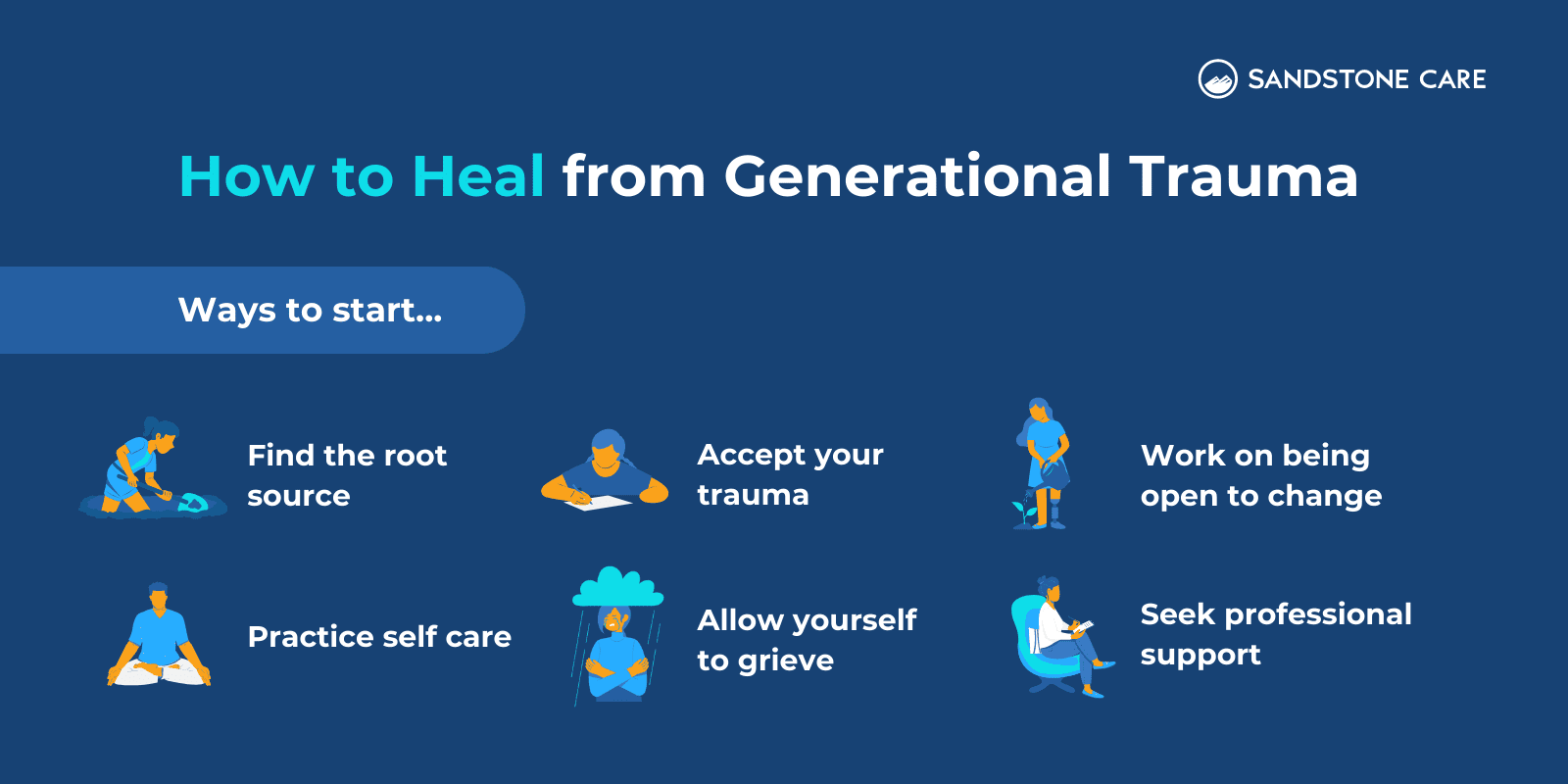
Nevertheless, many people with PTSD do not have a medical diagnosis or recall a history of severe stress signs and symptoms before seeking treatment for or receiving a diagnosis of PTSD. Two months ago, Sheila, a 55-year-old married woman, experienced a tornado in her home community. In the previous year, she had actually addressed a veteran cannabis use issue with the aid of a treatment program and had actually been sober for about 6 months.
A Research Validating Eye Movement Therapy & ART
She concerned it as a mark of individual maturity; it enhanced her connection with her partner, and their company had thrived as an outcome of her abstaining. Throughout the twister, a worker reported that Sheila had come to be really flustered and had actually ordered her assistant to drag him under a huge table for cover.
Following the storm, Sheila might not remember specific details of her habits throughout the event. Sheila stated that after the storm, she felt numb, as if she was drifting out of her body and might watch herself from the outside. She mentioned that absolutely nothing felt actual and it was all like a dream.
The symptoms gradually lowered in intensity yet still disrupted her life. Sheila reported experiencing disjointed or unconnected images and desires of the storm that made no genuine sense to her. She hesitated to go back to the building where she had actually been during the tornado, in spite of having preserved a service at this location for 15 years.

Latest Posts
Steps of EMDR Treatment
Managing General Anxiousness through EMDR Techniques with EMDR therapy
Avoiding Daily Interruptions During Intensive Work